
Floral Trends 2026: How the Visual Language of Weddings and Events Is Evolving
Floristry is no longer just decoration. In 2026, it becomes a visual language — shaping space, emotion and atmosphere across weddings and contemporary events.
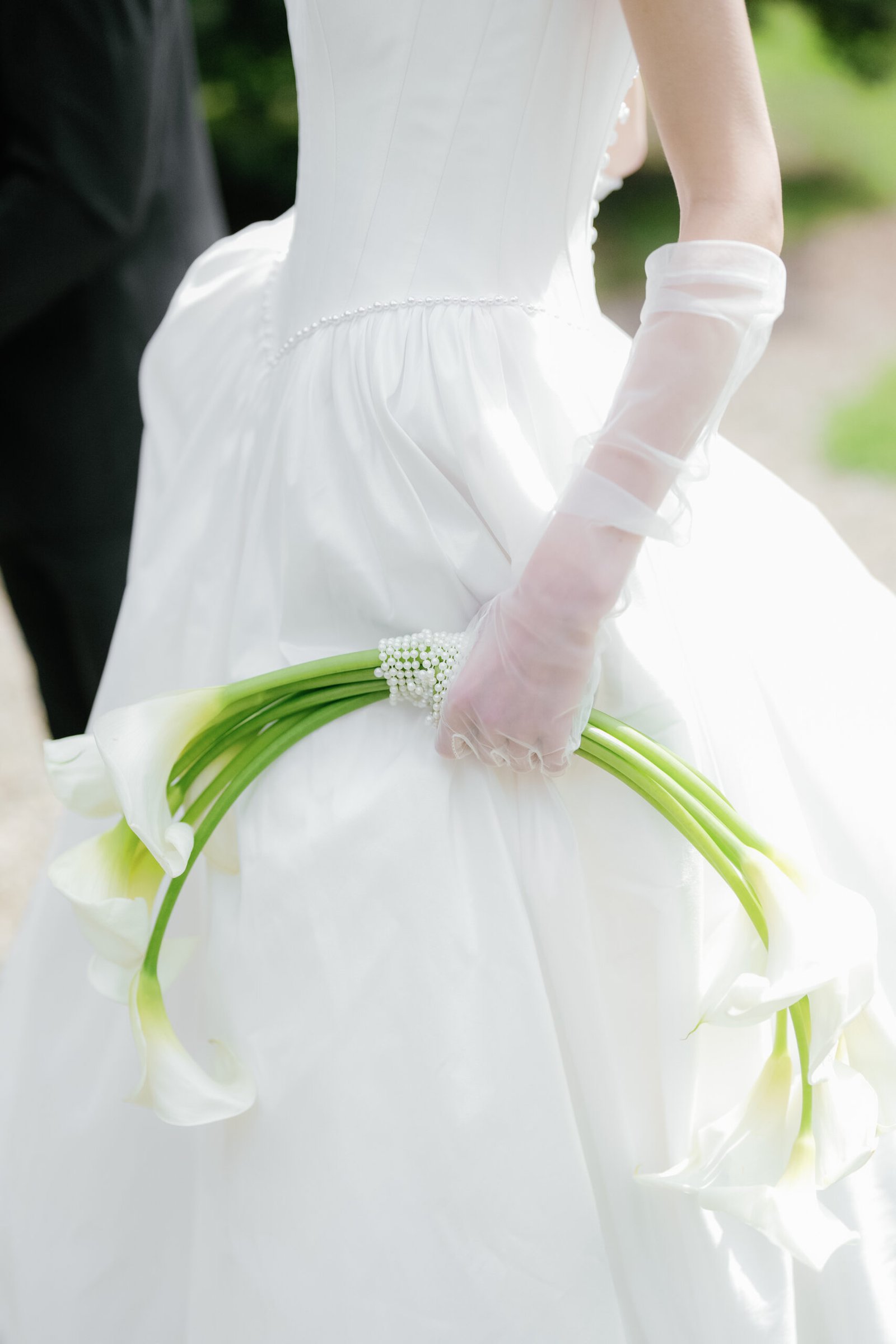
Sometimes, when looking at the floral projects of recent seasons, a strange thought appears: is this real? Are we seeing a living installation — or the outcome of an AI-rendered vision?
Today, the line between physical and digital is incredibly thin. Floristry moves beyond craft and enters a new territory. It becomes a language — one that speaks through space, emotion and visual states.
This shift is not accidental. The event industry, especially weddings, is undergoing a bold redefinition. Flowers no longer exist separately from architecture, light and narrative. They become part of the overall composition — part of the story.
Below are the key directions shaping floral design in 2026 — not as seasonal tricks, but as reflections of where contemporary visual culture is heading.
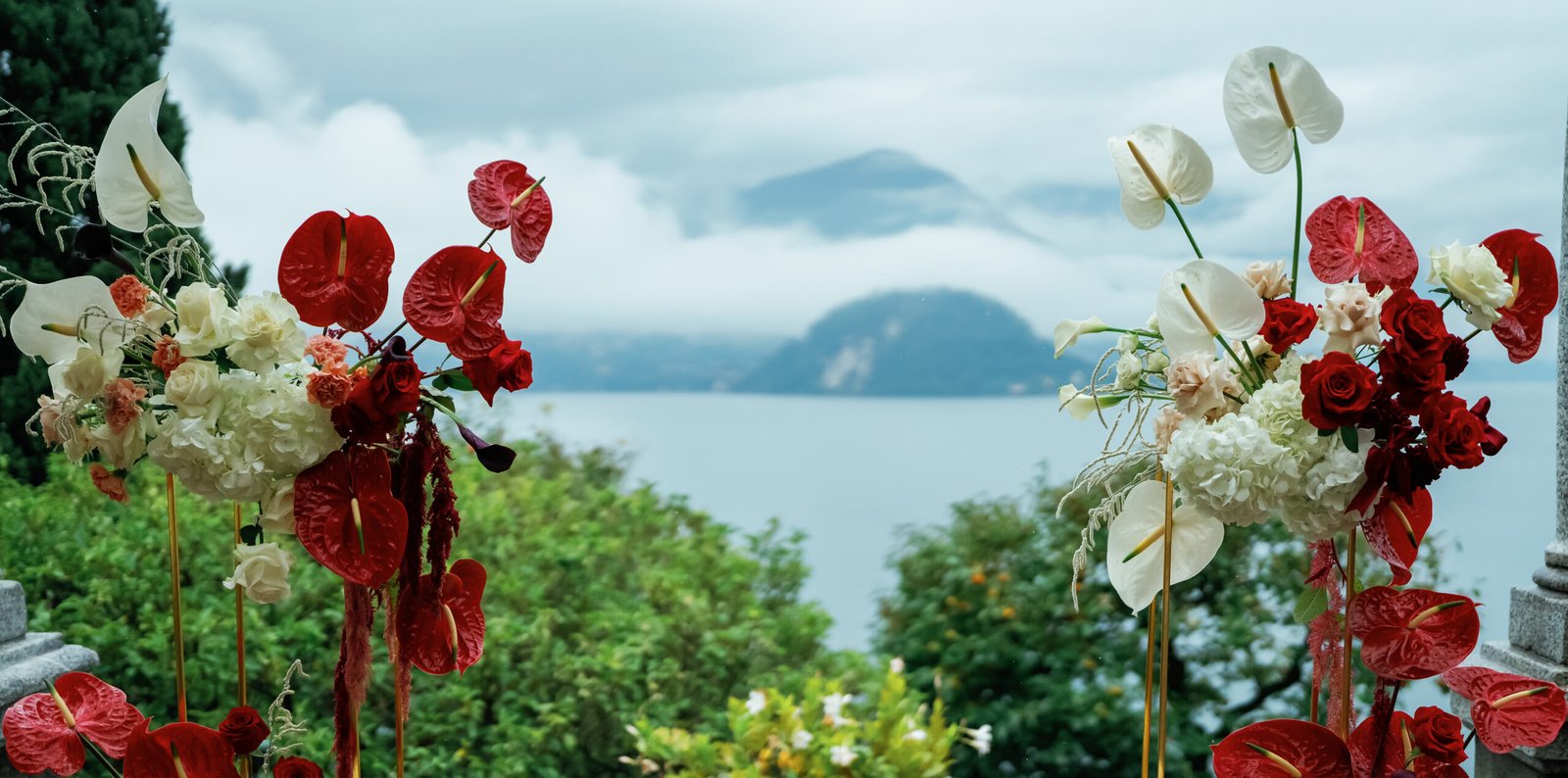
Floral Trends One: Airy Transparency
Transparent materials such as glass, acrylic and delicate frameworks are no longer experimental. In 2026, transparency becomes a fully established aesthetic language.
Floral compositions appear as if they are suspended in the air. Flowers feel weightless. Space is no longer a background — it becomes an active part of the composition.
This approach creates scale without heaviness, allows even complex installations to breathe, and interacts beautifully with light, producing a soft, almost watercolor glow.
It is an aesthetic of clarity, lightness and visual calm — “weddings in the clouds,” without the cliché.
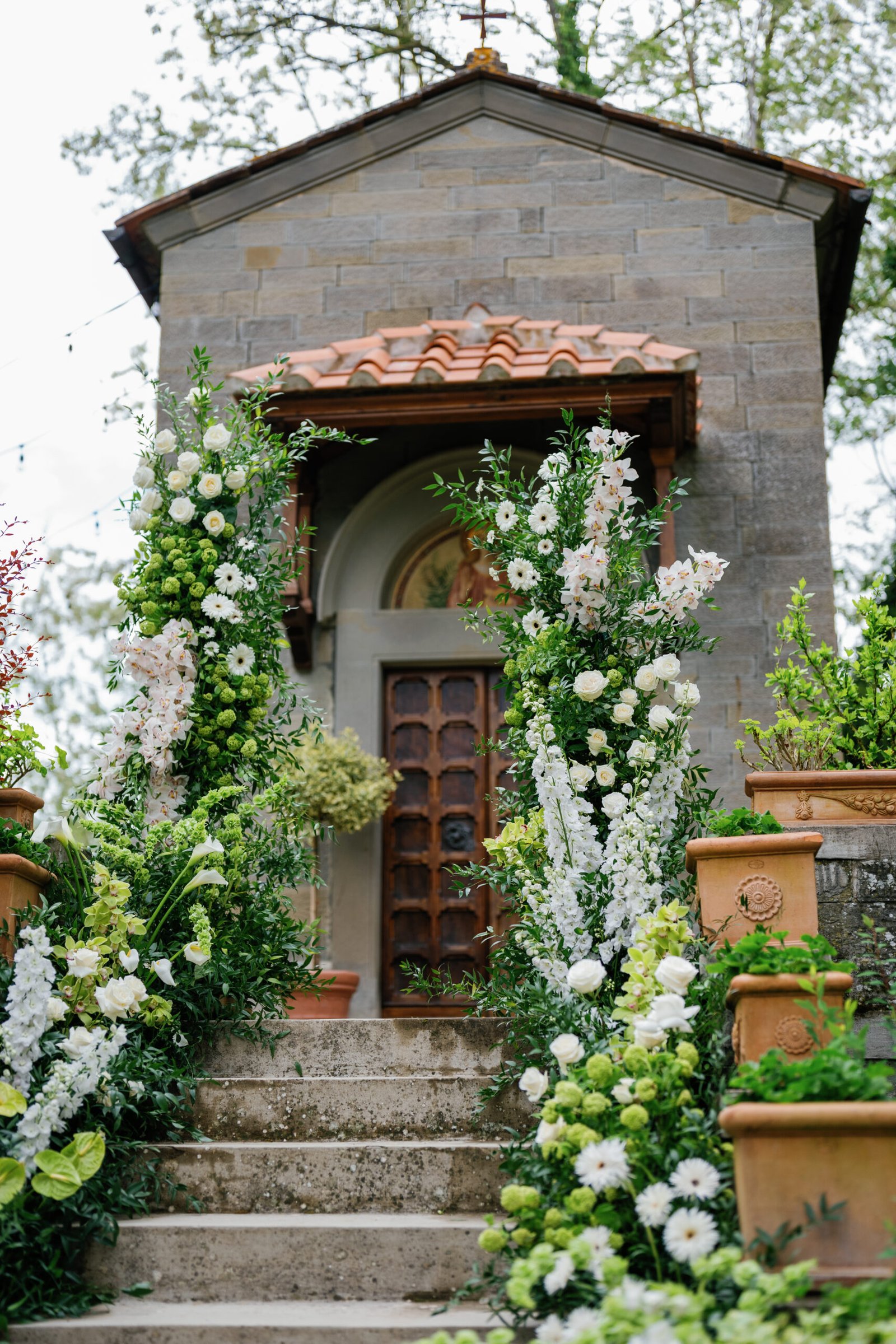
Floral Trends Two: Watercolor Transitions and Soft Palettes
Pastels return — but in a far more refined form. In 2026, the focus is not on single colors, but on how tones flow into one another.
Floristry begins to resemble painting. There are no sharp borders, no aggressive contrasts. Instead, there is fluidity, depth and a calm visual rhythm.
This approach allows designers to work with complex palettes while keeping harmony. It creates diffused light on camera and blends seamlessly with fashion, textiles and architectural spaces.
This is an aesthetic of quiet sophistication — timeless and seasonless.

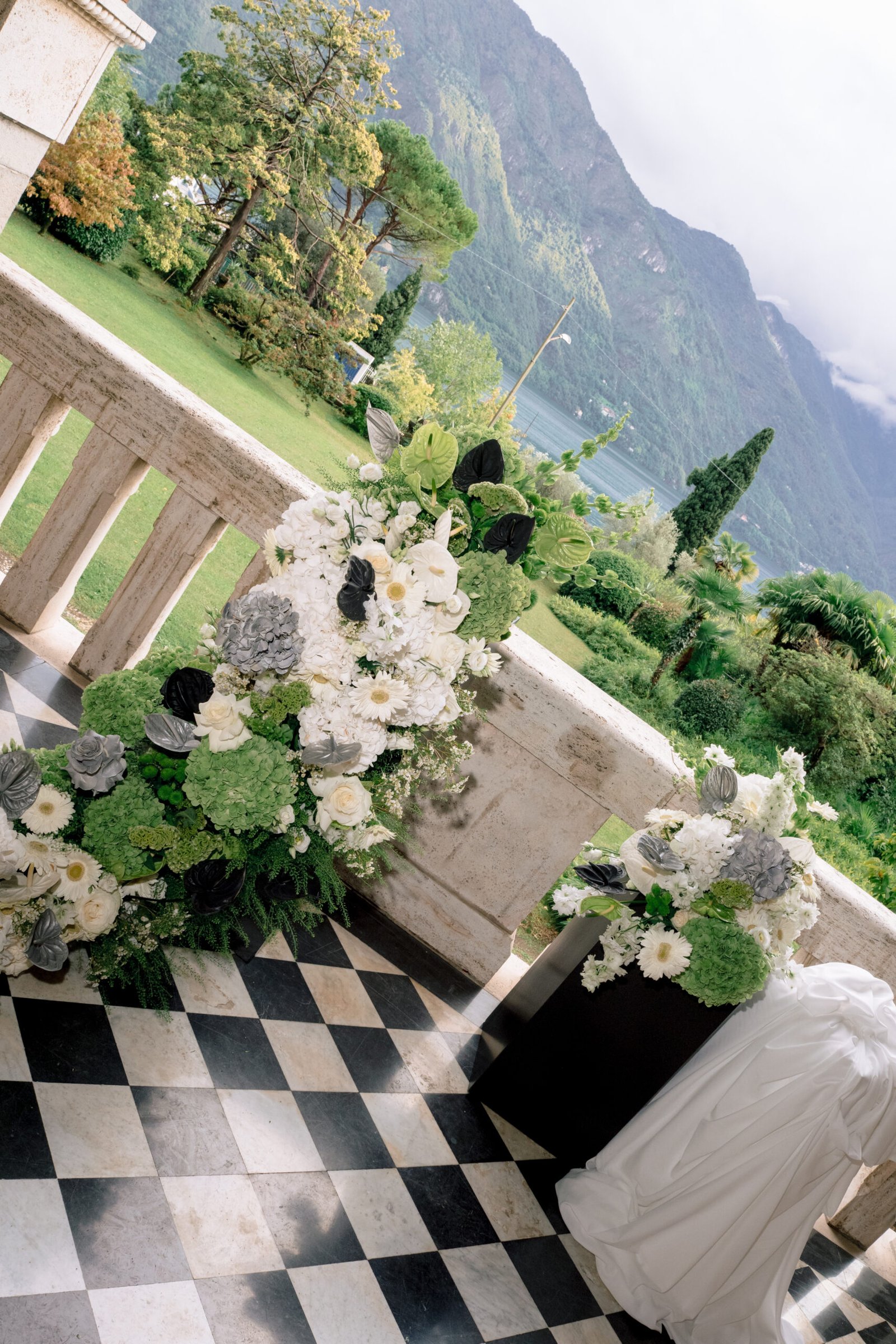
Floral Trends Three: Architectural Floristry
One of the most expressive movements of 2026 is floristry that does not read as decoration at all. Heavy arches and isolated installations are replaced by flowers that feel inherently connected to the venue.
Lines echo walls and windows. Compositions emerge from niches. Arrangements highlight the character of a space rather than override it.
This is not about adding elements. It is about working with architecture through flowers. Each location suggests its own solution, making every project unique and impossible to replicate.
Floristry and Technology
A natural question arises: where does reality end and the digital begin?
Artificial intelligence does not replace live flowers. It reshapes creative thinking. It helps explore new forms, work with complex structures, visualize ideas faster and move beyond conventional scenarios.
Floristry of the future becomes a dialogue between nature, technology and artistic vision.
Another important shift shaping floral design in 2026 is sustainability — not as a trend, but as a mindset. Couples and brands increasingly value seasonal flowers, locally sourced materials and thoughtful production processes. Sustainability becomes part of the aesthetic itself, influencing color palettes, scale and structure, and reinforcing the idea that modern luxury is inseparable from intention and responsibility.
Floristry in 2026 is no longer about embellishment. It becomes part of architecture, narrative and emotional experience.
Perhaps the most exciting aspect of this moment is that the industry is only beginning to unlock its potential. The boldest and most beautiful projects are still ahead.