
Gen Z Weddings: Why Modern Professionals Must Understand the New Cultural Logic
Over the past five years, the wedding industry has transformed more than in the previous twenty. Meaning, aesthetics, expectations — everything has shifted. A wedding is no longer a service. It is a cultural product.
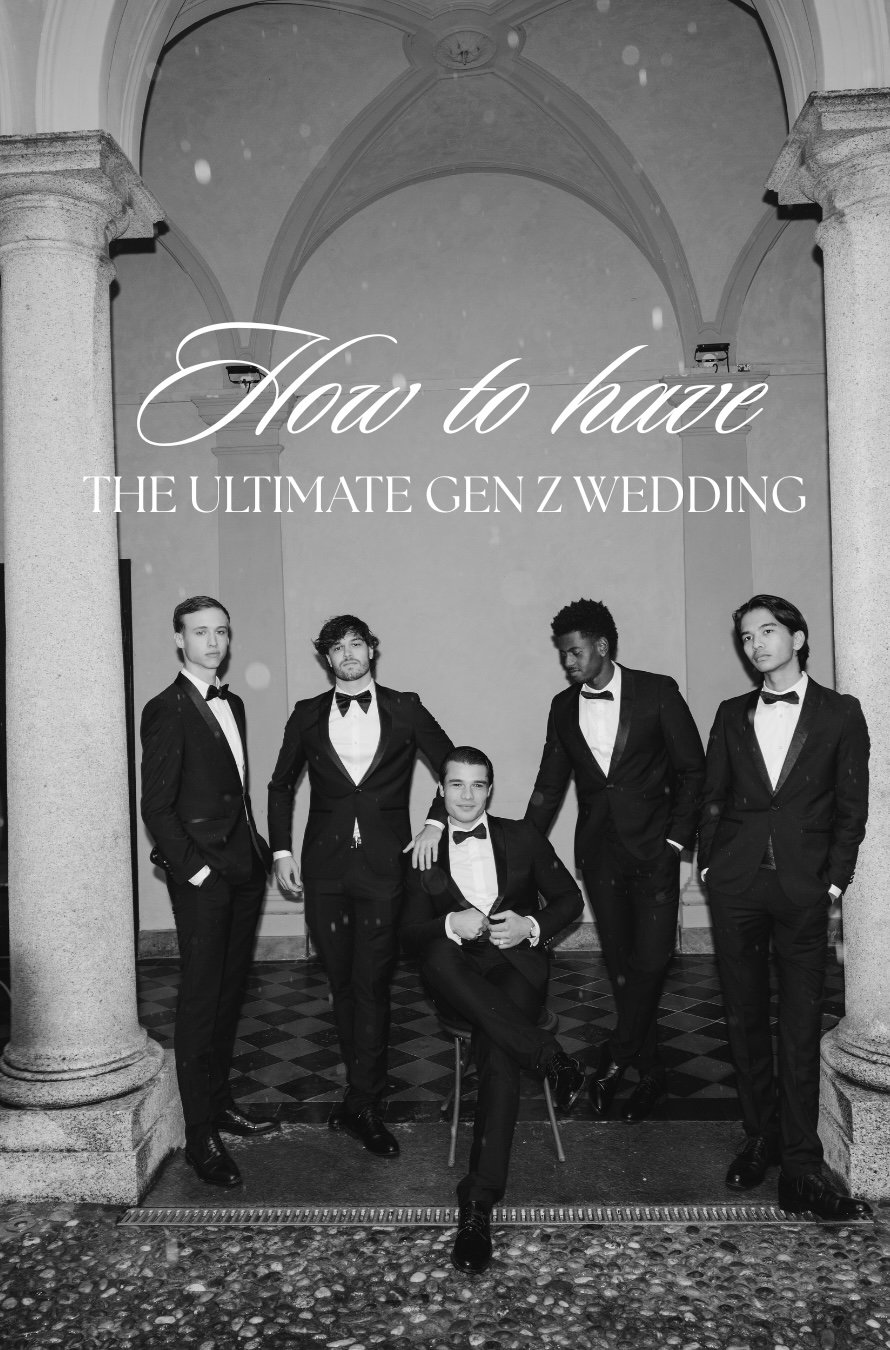
Over the last five years, the wedding industry has shifted more dramatically than in the previous two decades. Expectations, roles, and aesthetics have transformed — but above all, the meaning of the wedding day itself has changed.
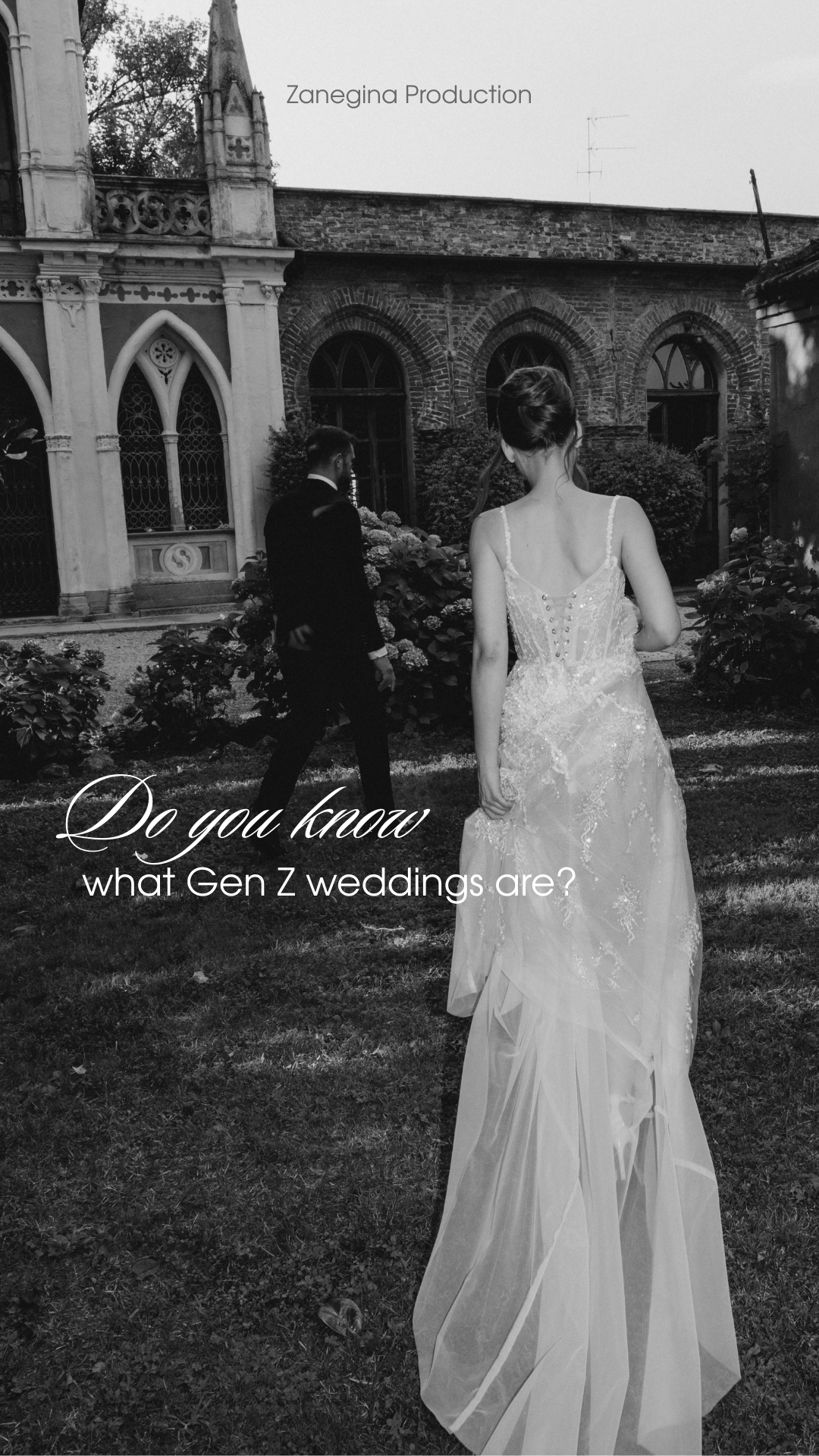
A wedding is no longer a service — it is a cultural product. Gen Z is the first generation to approach weddings with completely new thinking. They do not reject tradition, but they no longer treat it as mandatory. For them, a wedding is not a formality, but a form of self-expression.
This new perspective reshapes the work of everyone involved — planners, photographers, videographers, florists, designers, and producers.
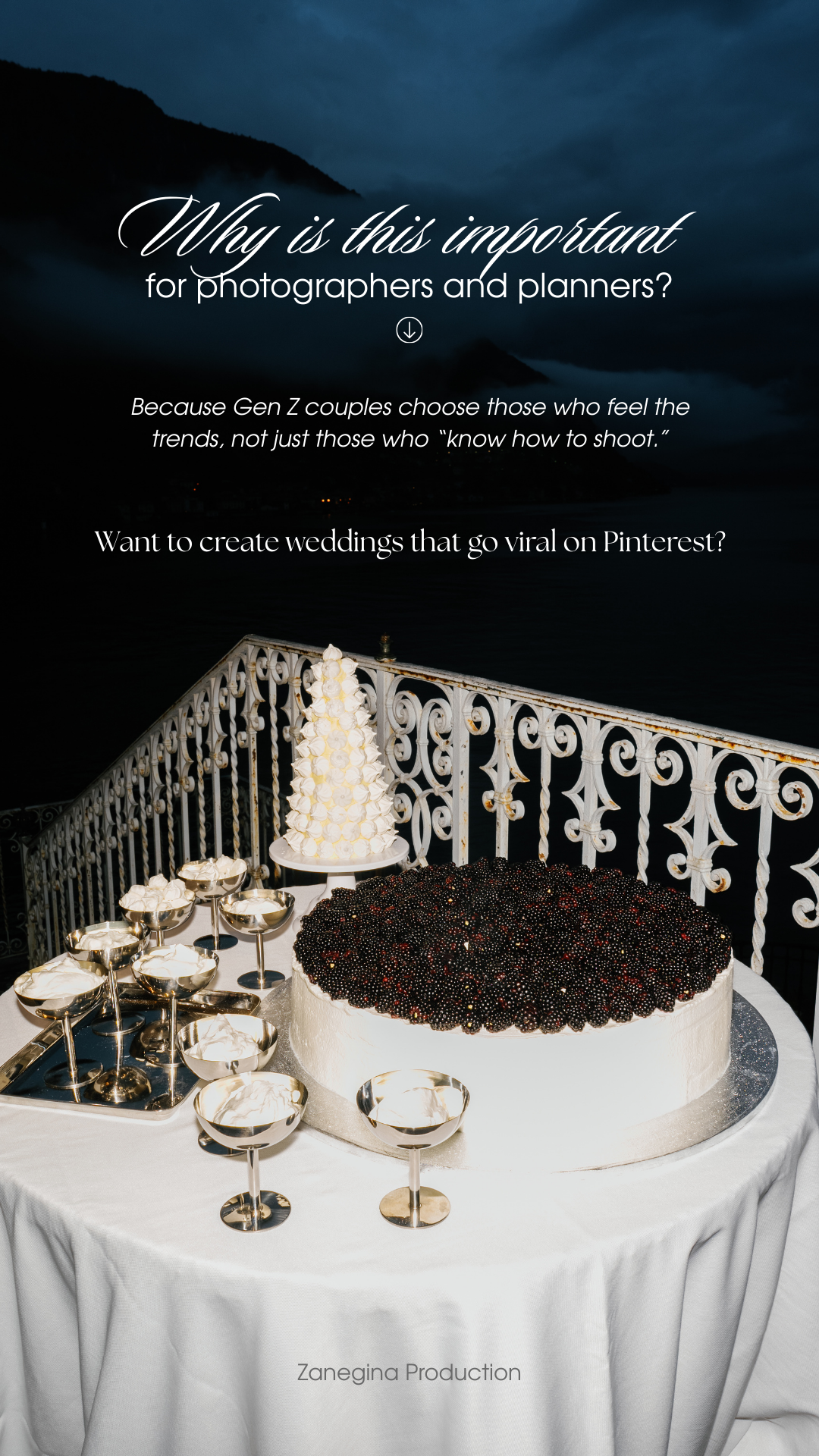
Gen Z Sees the Wedding as an Experience, Not a Format
Couples of this generation no longer think in categories of “how it should be.” They begin with a far more meaningful question: “What do we want to feel?”
This is why intimate ceremonies in private locations, venues with character instead of scenery, personal rituals instead of required elements, and genuine interaction instead of formal scripts have become common.
A wedding becomes an emotional experience — a day that must feel honest and aligned with who the couple truly is.
Aesthetics Become a Language
Gen Z grew up immersed in visual culture. For them, aesthetics are not embellishment — they are communication. Through light, texture, tone, and structure, they express meaning.
This shift has increased the demand for natural light, minimalist forms, art-forward floristry, structural compositions, and details that create atmosphere rather than decorate it.
Aesthetics stop being décor and become a language. A skill modern professionals must read fluently.
Content as Part of the Concept
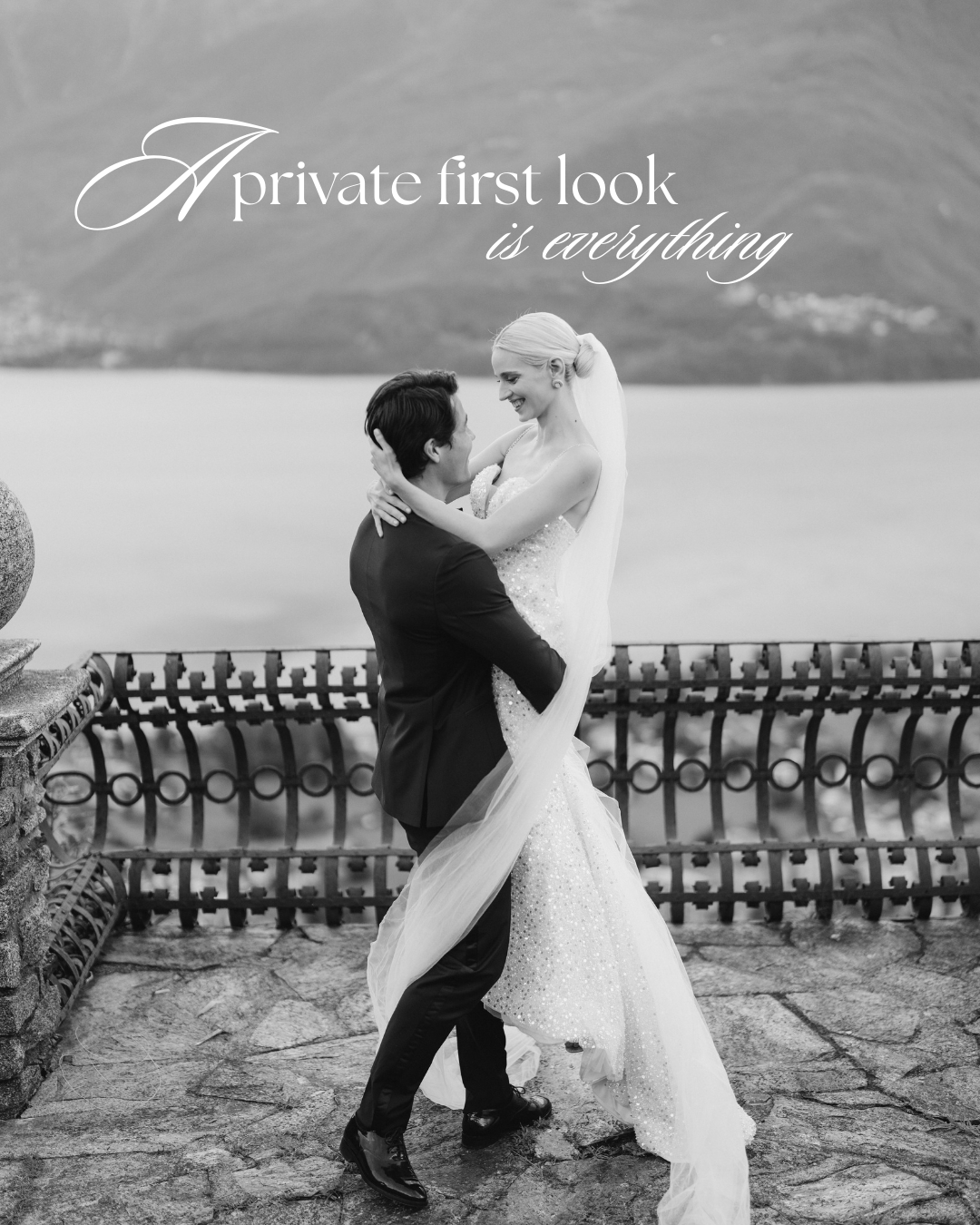
Gen Z couples look at the wedding through the eyes of the story that will remain afterward. It’s not about staging — it’s about experiencing.
This is why demand grows for live, honest capture; editorial aesthetics; cohesive visual storytelling; and synchronized work between photographers, videographers, and content creators.
The content team becomes part of the concept — just as essential as floristry or location.
The Team Becomes an Ecosystem
A modern wedding is a complex visual, emotional, and organizational project. Fragmented work by isolated vendors can no longer meet the expectations of Gen Z.
A successful team today operates with shared logic and a unified visual task. Atmosphere cannot be assembled from fragments — it is built through a single concept embraced by every specialist.
This producer-driven approach is becoming the new norm: not managing a wedding, but creating a cohesive product.
Why This Matters for Industry Professionals
The market is changing not because a new generation arrived, but because the culture of consumption transformed.
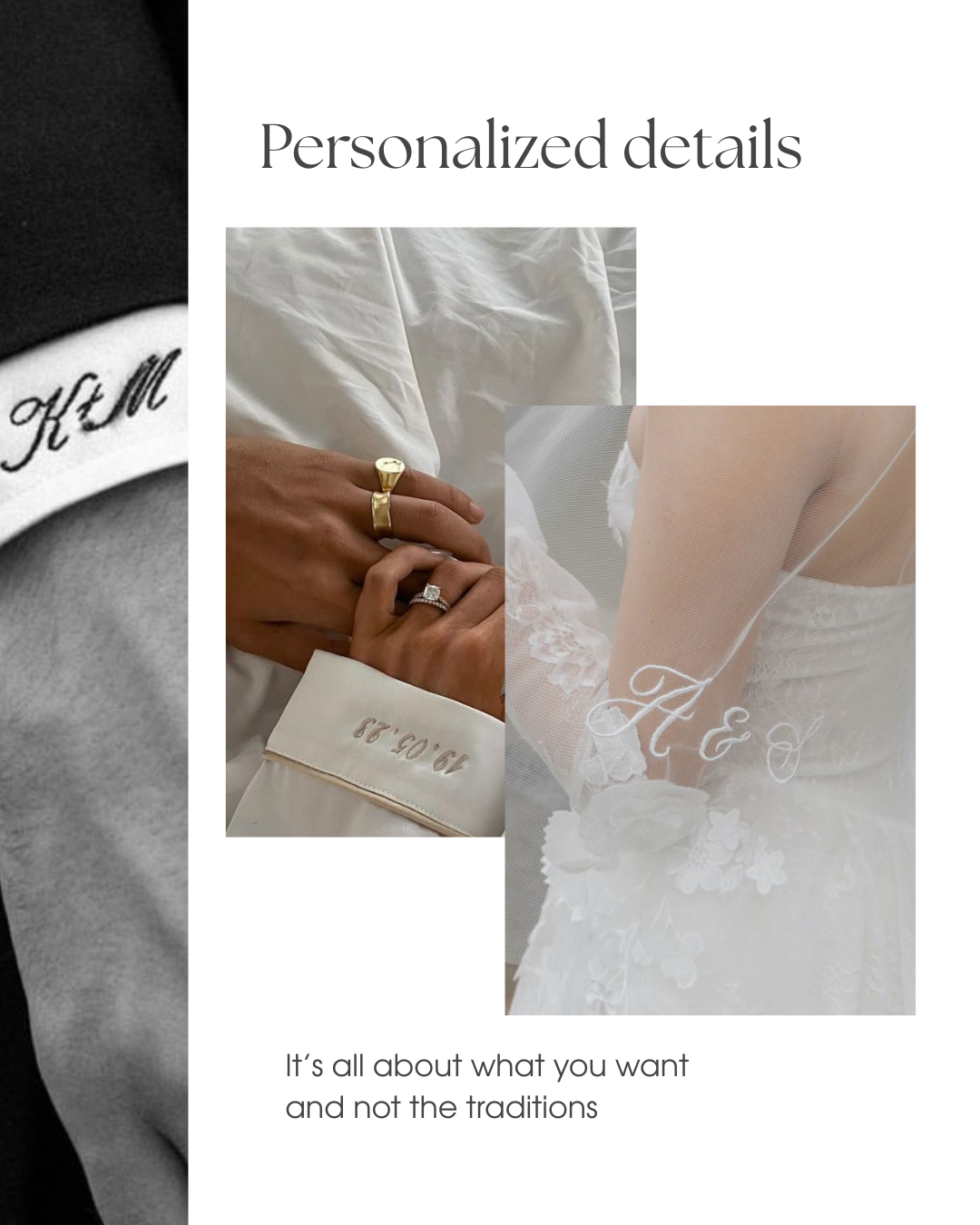
Gen Z chooses personalization instead of templates, sincerity instead of perfection, meaning instead of obligation, atmosphere instead of formality, and collaboration instead of hierarchy.
Professionals who understand this logic become partners, not executors. They help couples express themselves and transform ideas into a coherent experience.
The Wedding as a Cultural Product
Weddings that were once private now become part of a couple’s visual identity. The choices they make — from narrative to aesthetics — become part of their public story.
For the industry, this means we are not creating an event. We are creating a cultural object: emotional, visual, and meaningful.
What We Observe as Producers
Working with couples across Italy and Europe, we see the same trend: Gen Z is not seeking perfect weddings. They seek honest ones.
They choose teams they trust — those who can read spaces, understand light, interpret aesthetics, and translate emotions into an intentional day.
This approach binds every element to the couple’s story — not for beauty, but for meaning.
Gen Z is not breaking the industry — they are defining a new norm.
A norm built on meaning, honesty, and a producer-driven approach.
The wedding becomes a cultural product.
And the professional becomes its co-author.
Understanding this logic is essential for anyone shaping the modern wedding industry.